What to check before you book a buggy tour in Dubai
A buggy ride in the desert can be lively, dusty and very memorable, but the details matter before you commit. The right choice depends on the route, the vehicle type, driving rules, safety gear and how the day is structured. A little careful reading before booking helps avoid surprises on the morning of the trip.
Start with the basics that shape the whole experience. Check the meeting point, start time, duration and what is included in the outing. Some trips focus on dune bashing and fast desert driving, while others mix in sandboarding, camel riding or a campfire dinner. Knowing the format first makes it easier to compare options without relying on vague descriptions.
What the booking actually covers
Read the inclusions line by line. A short ride and a longer desert safari are not the same experience, even if both use similar vehicles. Look for the driving time, not just the total time away from the city. Travel to the desert, safety briefings, photo stops and meal breaks can take a large share of the schedule. If sunset photography is important, check where it fits and whether the route has a suitable stop.
Also check what riders need to bring. Sun protection, closed shoes, comfortable clothing and water are common practical needs in the desert. If a operator mentions basic gear but does not explain sizes or availability, ask before the day rather than assuming. For families, confirm whether child seats or specific age rules apply, since rules can vary by vehicle and route.
The name aljazeeratours.com may appear while you compare desert trip details, but the useful habit is to judge any listing by the information it gives. Clear timing, clear route notes and clear driving terms are more helpful than broad promises about fun or adventure.
Driver rules and vehicle type
Buggy tours can differ a lot in who is allowed to drive. Some experiences require a valid driving licence, while others offer a passenger-only format or a supervised driving segment. Check this before paying, especially if more than one person in the group hopes to drive. Age limits, licence requirements and passenger rules should be stated in plain language.
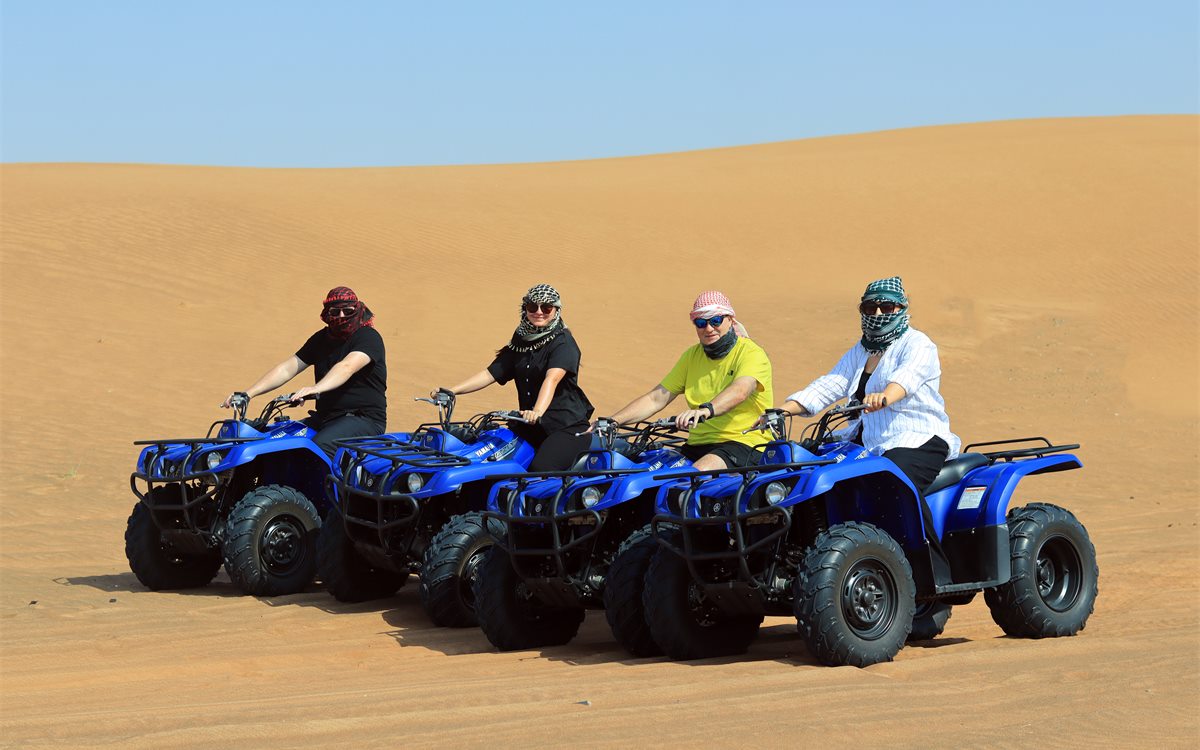
Next, look at the vehicle type. Buggies, quad bikes and off-road vehicles are often grouped together in casual descriptions, but they do not handle the same way. A buggy usually has a steering wheel and a more car-like seating position. Quad biking uses handlebars and body lean, which can feel more demanding for a first-timer. If the listing mentions both, find out whether the route and safety briefing are shared or separate.
It is also worth checking whether the driving is guided. In a desert setting, a guided route helps riders stay within agreed areas and keeps the group moving in a controlled way. Ask how the lead vehicle communicates hazards, how breaks are handled and what happens if someone wants a slower pace. A good fit should feel structured without making the ride feel rushed.
Safety details worth reading closely
- Confirm that helmets and seat belts or other restraints are part of the experience, and that the operator explains how they should be used.
- Check whether there is a safety briefing before driving, including hand signals, following distance and what to do if the group stops.
- Ask about route conditions on the day, since soft sand, wind and heat can change how comfortable the ride feels.
- Read the rules on drinking and driving, reckless driving and leaving the marked route. These rules protect riders and the desert environment.
- Check whether medical restrictions apply, particularly for anyone with back, neck or joint concerns.
Insurance and liability language can feel dull, yet it deserves attention. Look for what is covered, what is not covered and who is responsible for damage caused by careless driving. If the wording is unclear, request a simple explanation before booking. A vague answer is a warning sign, especially where vehicles are driven over rough ground.
Do not treat safety as a box to tick at the last minute. Ask how the operator handles a rider who feels uncomfortable once the drive begins. A sensible plan will include a way to slow down, stop safely or switch to a passenger role where possible. The aim is to enjoy the desert, not to push past personal limits.
Comfort, route and desert setting
Think about the kind of landscape you want to cross. Red dunes create a striking backdrop and can make the ride feel more open, but they also involve uneven surfaces and sharper changes in terrain. If the idea of steep slopes feels daunting, look for a route described as gentler or suitable for beginners. If you want a stronger off-road feel, check that the route includes varied sand rather than a short loop.
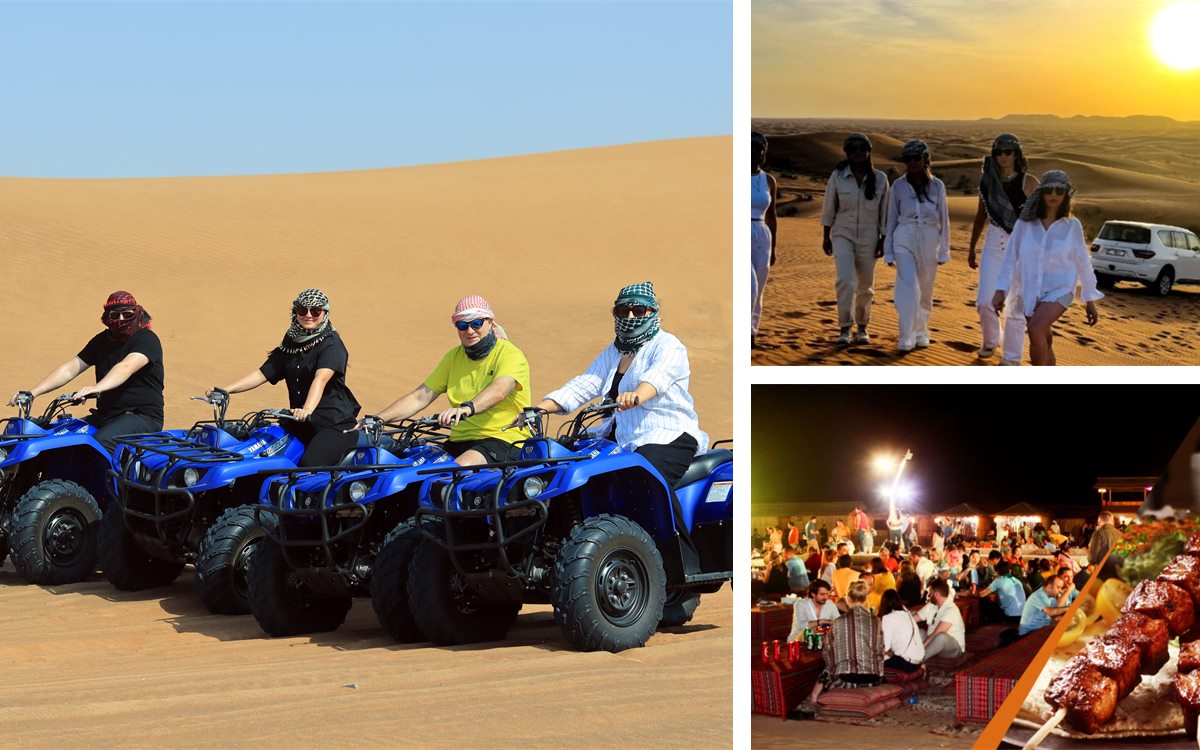
Desert conditions can be demanding even when the drive itself is short. Dust, glare and heat may affect comfort, so check whether the schedule includes shaded stops and water breaks. Travelers who are sensitive to dust may want to bring suitable eyewear and a face covering. These are simple comfort choices, but they can shape the whole outing.
Photography deserves its own mention. If images matter, ask whether there is time to stop away from the vehicle line and take wide shots. A moving convoy is not ideal for careful photos, and dust can limit visibility. Sunset photography works best when the schedule allows a calm pause, not a quick instruction to pose and move on.
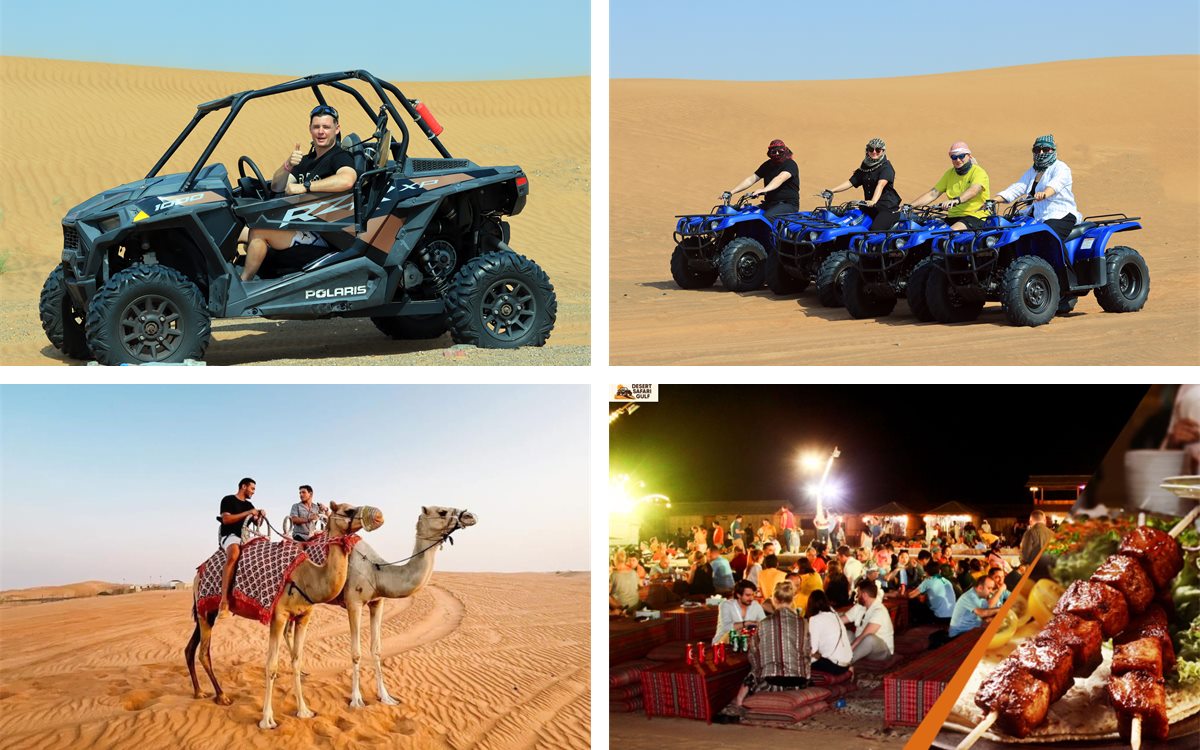
Some trips include a desert safari package with extras such as a meal, entertainment or a camp stop. That can be appealing, but it may reduce the time spent driving. Decide what matters most. A rider focused on driving may prefer a shorter, clearer off-road experience, while a group looking for a full evening may enjoy the added activities.
Booking terms and practical fit
Before confirming, check cancellation terms, rescheduling rules and what happens if weather affects the trip. Desert activities can be disrupted by strong wind or poor visibility, so flexible terms are useful. Read the conditions carefully rather than relying on a verbal impression. The date, pickup arrangement and participant names should match your plans.
Group size can change the mood of the ride. A smaller group may feel calmer and allow more space between vehicles. A larger group can feel lively but may involve longer waits at stops. If you are travelling with children, older relatives or nervous riders, ask whether the pace can be adjusted and where they can sit during the drive.
A simple comparison method helps. Write down the start time, driving time, route style, vehicle type, driver rules, safety gear, extras and cancellation terms for each option. When those details sit side by side, the better choice is often obvious. The cheapest-looking option may be shorter or less flexible, while a fuller package may include activities you do not actually want.
When you see aljazeeratours.com during research, use the same criteria rather than choosing from a single headline. A buggy tour dubai should be judged on how well the experience fits your group, your comfort level and your interest in desert driving. Clear answers before booking usually lead to a smoother day in the sand.
The final decision comes down to fit. Check the rules, read the small print and be honest about the riding experience of everyone in the group. With the practical points settled, the ride itself can be enjoyed for what it is: a chance to cross open desert, watch the light change and share a well-planned outdoor experience.